
Should the 30% income tax slab be increased?Although rising incomes may appear favorable on paper, many middle-class households have not seen an increase in their spending power. More taxpayers are being forced into the 30 percent tax bracket without feeling any richer as inflation drives up the cost of housing, healthcare, education, and everyday necessities.
Salaried consumers are asking if tax slabs should increase in line with inflation in order to represent actual living expenses ahead of Budget 2026.
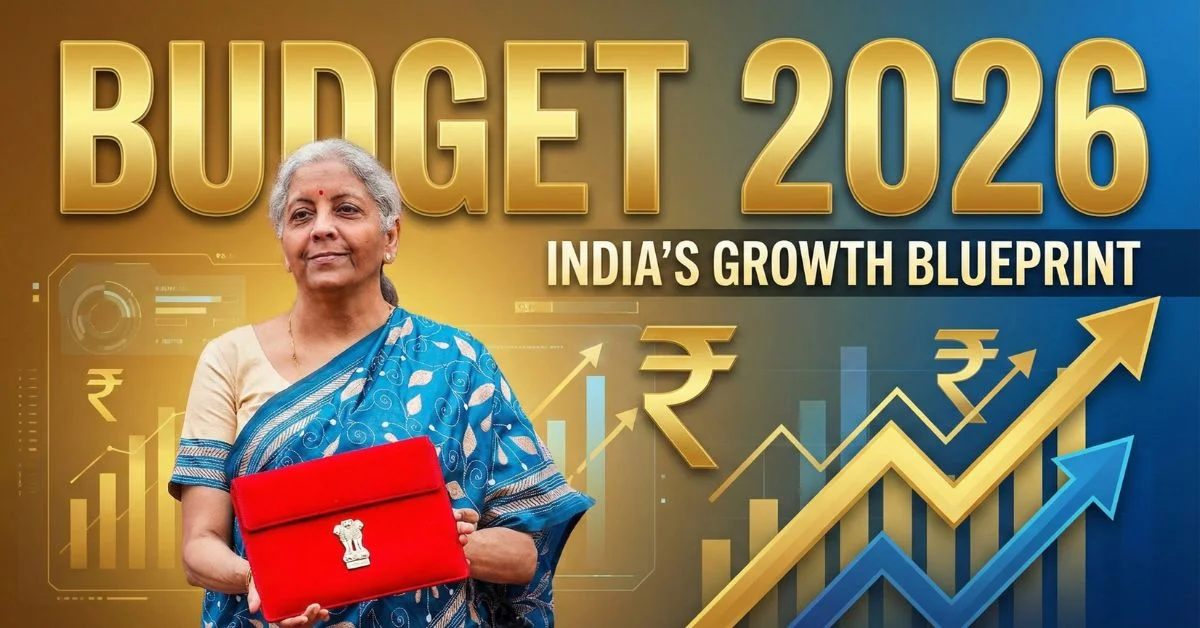
Should the 30% income tax slab be increased?India’s economy and residents’ everyday lives are significantly influenced by the Union Budget each year. Budget 2026 is anticipated to prioritize welfare programs, infrastructure development, job creation, and economic expansion. However, the most important question still stands: Will Budget 2026 be advantageous? Depending on which segment of society we examine, the response varies. Overall, if Budget 2026 reduces inflation and strikes a balance between development and public welfare, it might be deemed advantageous.-source:moneycontrol
Why Budget 2026 May Not Be Beneficial for Everyone
1. Rise in Prices and Inflation
Increased costs for food, fuel, and everyday necessities can have a negative impact on the general public, particularly those with low incomes.
2. Limited Benefits
Budgets occasionally prioritize long-term initiatives over short-term assistance. In these situations, citizens might not experience immediate advantages and the budget might appear less beneficial.
3. Higher Cost because of Indirect Taxes
The government may raise indirect taxes like GST on specific commodities even if income tax stays the same. This may increase the cost of goods and services and have an impact on household finances.
The Potential Benefits of Budget 2026
1. Increased Economic Growth
Increasing India’s GDP growth through improved policies and increased government spending is probably the main goal of Budget 2026. The nation will grow more quickly and draw in investments if more money is given to manufacturing, startups, and industries.
2 Increased Job Opportunities
Unemployment is a serious problem, particularly for young people. Budget 2026 can provide additional job prospects if it promotes MSMEs, skill development, and job creation initiatives. Hiring more people in the public and commercial sectors would be beneficial.
3. Increased Development
Highways, trains, airports, and smart cities are examples of infrastructure that is crucial to the development of a country. Spending on these areas may rise in the 2026 budget, enhancing connectivity, trade, and transportation. Additionally, this would help businesses and provide jobs.
4. Relief for Rural Communities and Farmers
Government assistance is crucial for rural communities and farmers. The agriculture industry and village economy will greatly benefit if Budget 2026 contains improved irrigation facilities, crop insurance, MSP support, and rural development initiatives.
5. Benefit for Education and Healthcare
Investing in healthcare and education enhances people’s quality of life and fortifies the nation’s future. If budget 2026 boosts funding for government schools, universities, hospitals, and digital education, it may be advantageous.
The proposed tax hike would help specific groups, like salaried employees, self-employed, and retirees, with relief tailored to their financial struggles.
Salaried employees stand to gain significantly, as Patnaik said, with reduced tax deducted at source (TDS) leading to higher monthly take-home pay for essentials and investments. It also prevents bonuses from being heavily taxed. This helps cover urban costs like healthcare and education.
For the self-employed, a higher threshold creates a buffer of capital to reinvest in their businesses without losing a third of their profits to taxes.
Retirees also benefit as their fixed income is better protected against rising healthcare costs, helping their savings last longer.- sources:moneycontrol